
Otthon / Hírek / Ipari hírek / Hogyan működik együtt a vízszivattyú motor állórésze és a forgórész magja a hűtőrendszerekkel, például a folyadék- vagy léghűtéses házakkal, hogy fenntartsák az optimális hőmérséklet-egyensúlyt intenzív működés közben?
Hogyan működik együtt a vízszivattyú motor állórésze és a forgórész magja a hűtőrendszerekkel, például a folyadék- vagy léghűtéses házakkal, hogy fenntartsák az optimális hőmérséklet-egyensúlyt intenzív működés közben?
-
Hőátviteli hatékonyság és hőelvezetési dinamika :
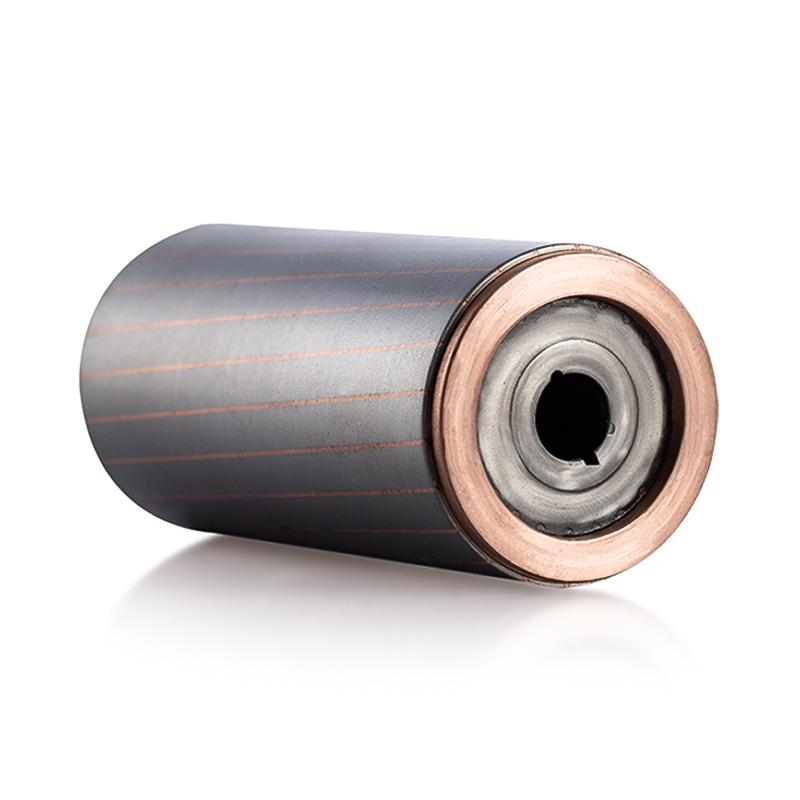
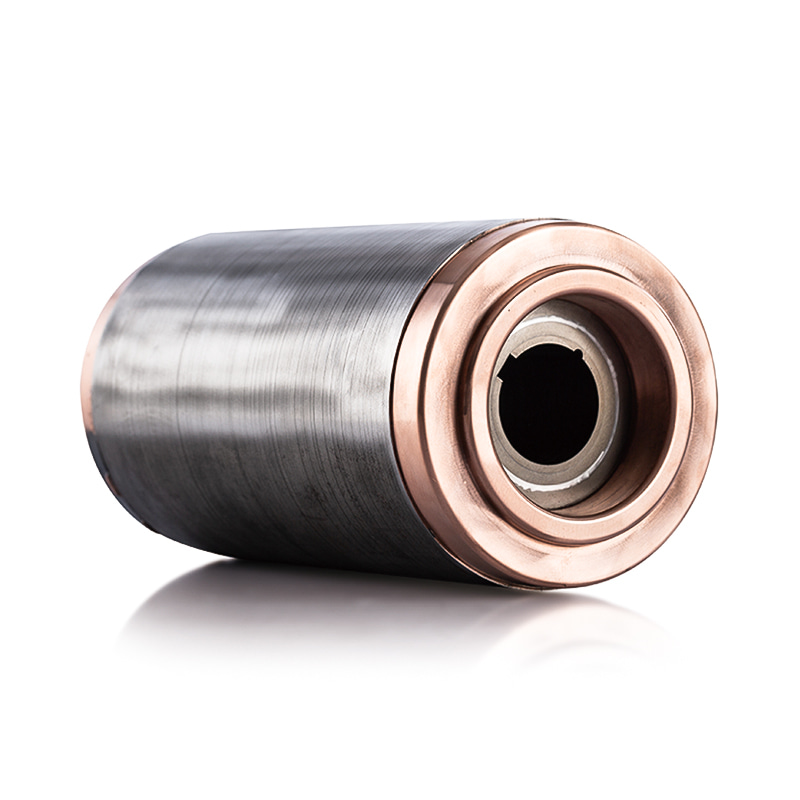
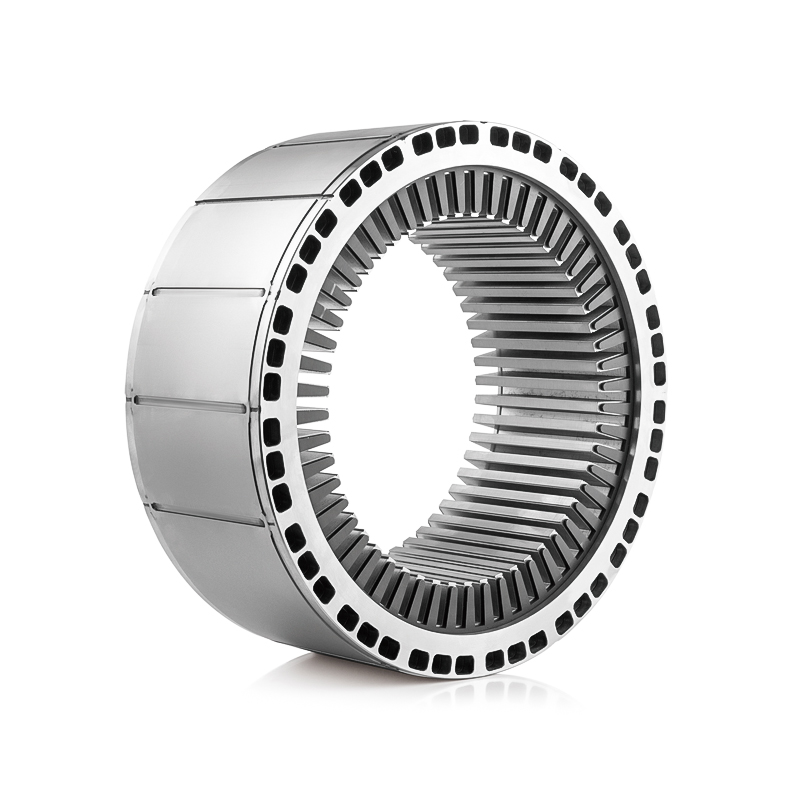
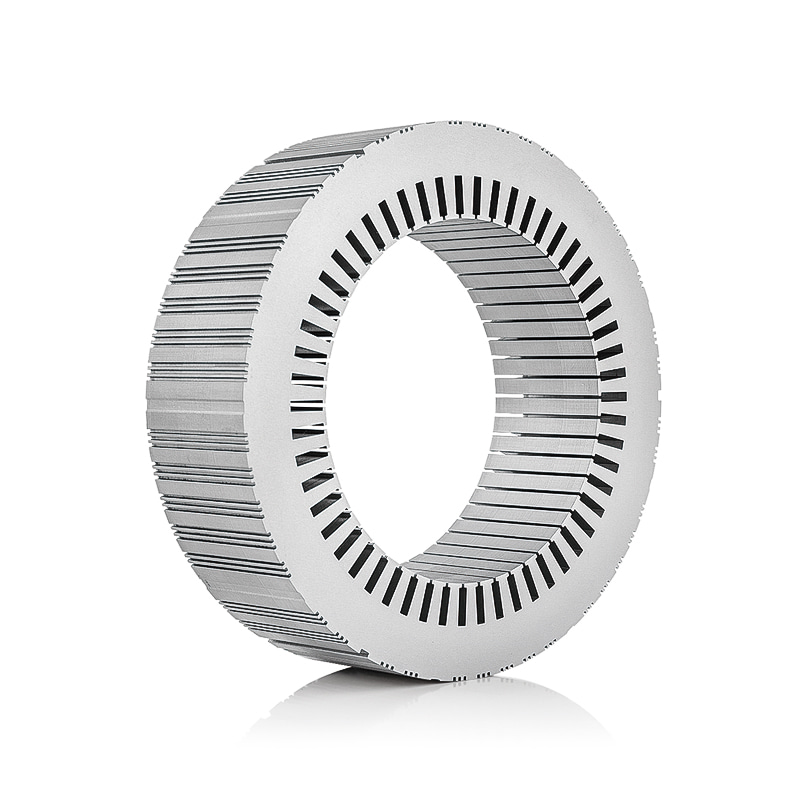
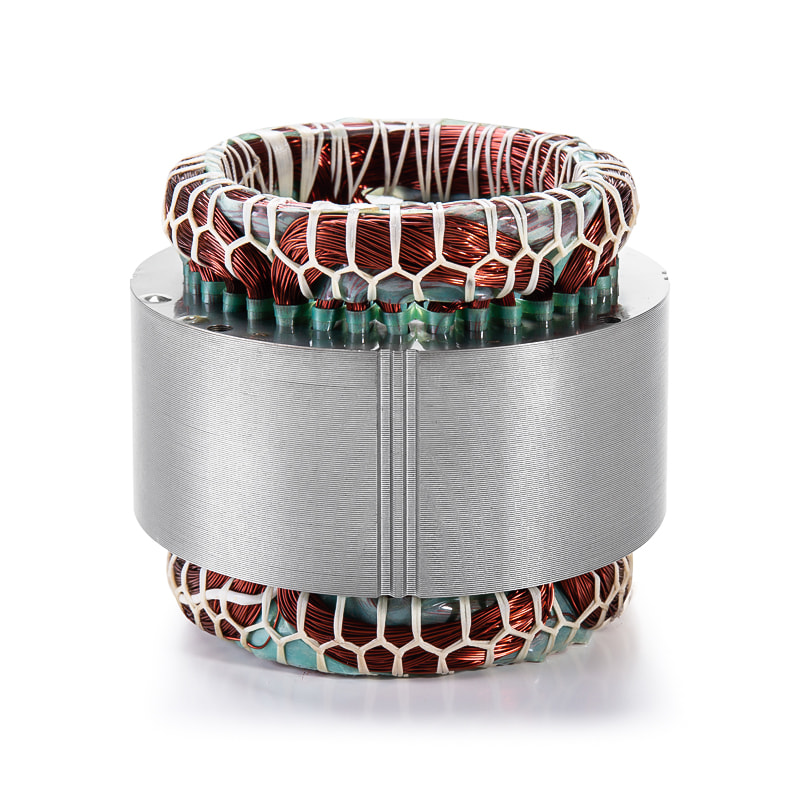
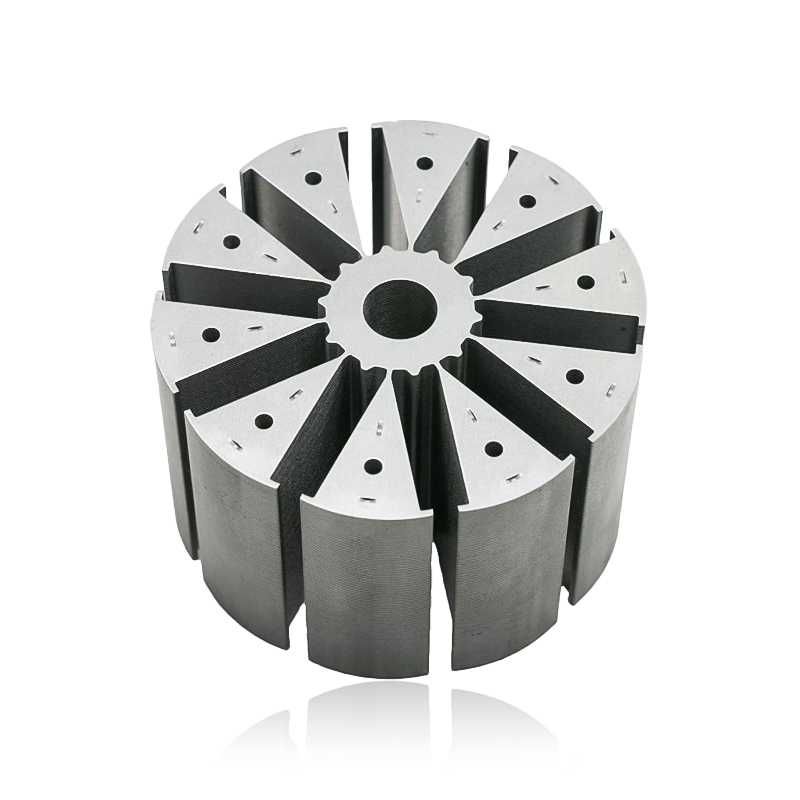
A Vízszivattyú motor állórész és forgórész mag folyamatosan ki vannak téve a mágneses tér gerjesztése és az áram áramlása során keletkező hő hatásának. A hatékony hőelvezetés elengedhetetlen a lemágnesezés vagy a szigetelés leromlásának megakadályozásához. A magok kiváló minőségű laminált szilícium acélból készülnek, kiváló hővezető képességgel, így biztosítva a gyors hőátadást a mágneses körtől. Folyadékhűtéses házzal párosítva a hűtőfolyadék integrált csatornákon keresztül áramlik, amelyek közvetlenül érintkeznek a magas hőmérsékletű zónákkal, elősegítve az egyenletes hőeloszlást. A léghűtéses rendszerekben az optimalizált szellőzési útvonalak és a hőleadó bordák segítik a légáramlás maximalizálását az állórész és a forgórész szerelvénye körül. Az eredmény egy szabályozott hőmérsékleti gradiens, amely megakadályozza a hőforrások kialakulását, és megőrzi a motor egyenletes mágneses teljesítményét. -
Hűtési utak tervezése és tervezése :
A layout of the cooling system determines how effectively the Water Pump Motor Stator and Rotor Core can maintain stable operating temperatures. In liquid-cooled designs, internal cooling jackets or spiral channels are positioned close to the stator windings and rotor shaft to ensure efficient convection and minimize heat accumulation. Advanced computational fluid dynamics (CFD) modeling is often employed to simulate flow velocity, turbulence, and temperature gradients within these channels. For air-cooled configurations, engineered fan systems or forced ventilation ducts are designed to direct air evenly across the stator slots and rotor periphery, reducing localized heating and maintaining consistent motor torque. The overall goal of both designs is to preserve the electromagnetic balance and reduce mechanical strain caused by temperature variations. -
Anyagkompatibilitás és hőtágulási koordináció :
A interaction between the Water Pump Motor Stator and Rotor Core and the cooling system materials must account for differences in thermal expansion. The motor components, including laminations, copper windings, and insulation layers, expand at varying rates under heat. Improper management of these differences can lead to mechanical stress, misalignment, or even cracking. Engineers use precise material selection and dimensional tolerances to ensure that all parts expand uniformly under operational temperatures. Thermal interface materials (TIMs) and specialized adhesives with high thermal conductivity but low expansion coefficients are used between the stator core and cooling surfaces to facilitate consistent contact and reduce vibration-related heat buildup. This balance prevents mechanical deformation and ensures the rotor’s concentric alignment with the stator bore remains intact throughout operation. -
Az elektromágneses és mágneses fluxusstabilitás megőrzése :
A magnetic efficiency of the Water Pump Motor Stator and Rotor Core is directly affected by temperature. As temperature increases, magnetic permeability may decrease, resulting in reduced flux density and lower torque output. An effective cooling system stabilizes these thermal conditions, allowing magnetic domains to maintain consistent alignment. This stability translates to uniform torque generation, reduced electrical losses, and minimal rotor imbalance. Modern insulation coatings on stator laminations help reduce eddy current losses by maintaining electrical isolation even under elevated temperatures, further supporting electromagnetic efficiency. -
Integráció a fejlett hőfelügyeleti és vezérlőrendszerekkel :
A vízszivattyú motor állórészének és rotormagjának megbízhatóságának növelése érdekében a korszerű motorrendszerek hőérzékelőket és vezérlőelektronikát integrálnak az állórész tekercsébe és a házba. Ezek az érzékelők folyamatosan figyelik a hőmérsékletet több ponton, és adatokat táplálnak be egy valós idejű vezérlő algoritmusba. When excessive heat is detected, the system automatically adjusts cooling intensity—by increasing coolant flow rate or fan speed—to restore thermal equilibrium. A nagy teljesítményű alkalmazásokban a prediktív hőszabályozási algoritmusok előre jelezhetik a potenciális túlmelegedési trendeket a terhelési feltételek alapján, és proaktívan módosíthatják a hűtést. Ez az intelligens visszacsatoló hurok egyenletes teljesítményt biztosít energiapazarlás vagy szükségtelen mechanikai kopás nélkül.
Előző cikk
Hogyan befolyásolja a generátormotor állórészében és a forgórészmagjában lévő fogak és rések geometriája a mágneses fluxus eloszlását és a kimeneti nyomatékot?
következő cikk
Milyen hatással van a Rail Transit Motor állórésze és a Rotor Core a zaj és a vibráció csökkentésére a vasúti közlekedési motorrendszerekben?
Kapcsolódó hírek
-
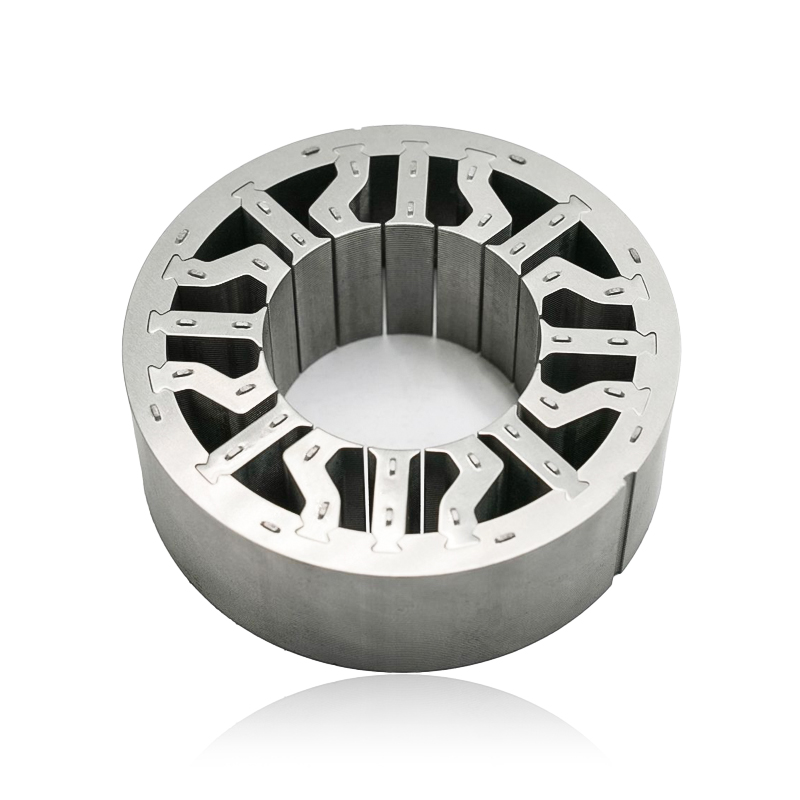
Mik azok Állórész és fvagygórész magok ? Állórész magok A állórész mag az álló elektromos motor alkatrésze. Ez az a rész, amelyben a réztekercsek találhatók, és amikor el...
See Details -
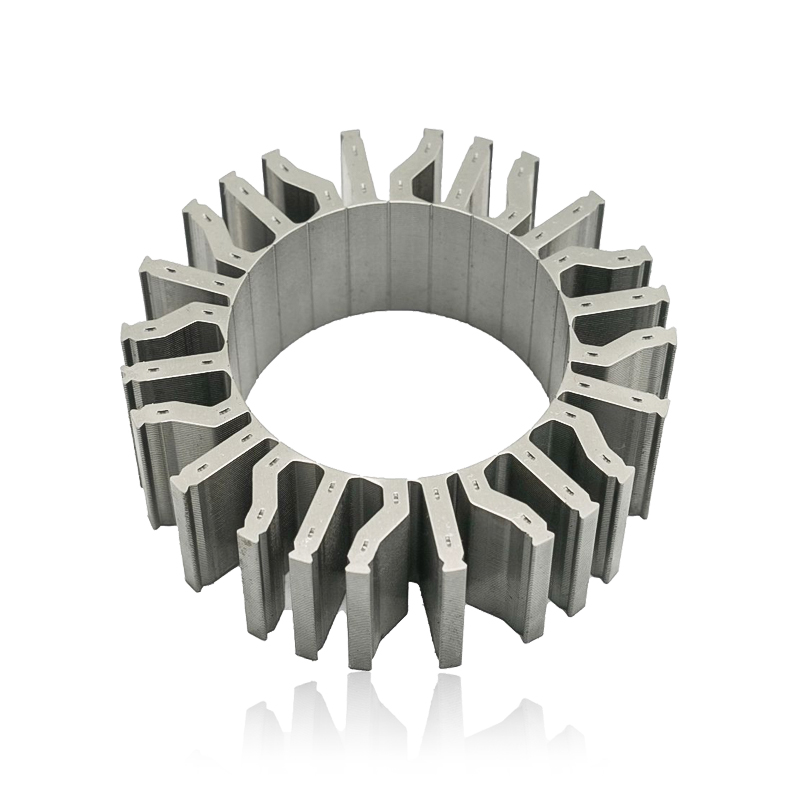
Bevezetés A modern autó egy összetett gép, és evolúcióját a folyamatos innováció vezérelte minden alkatrészben. Míg a belső égésű motorok több mint egy évszázada uralják az ipart, a villamosítás...
See Details -
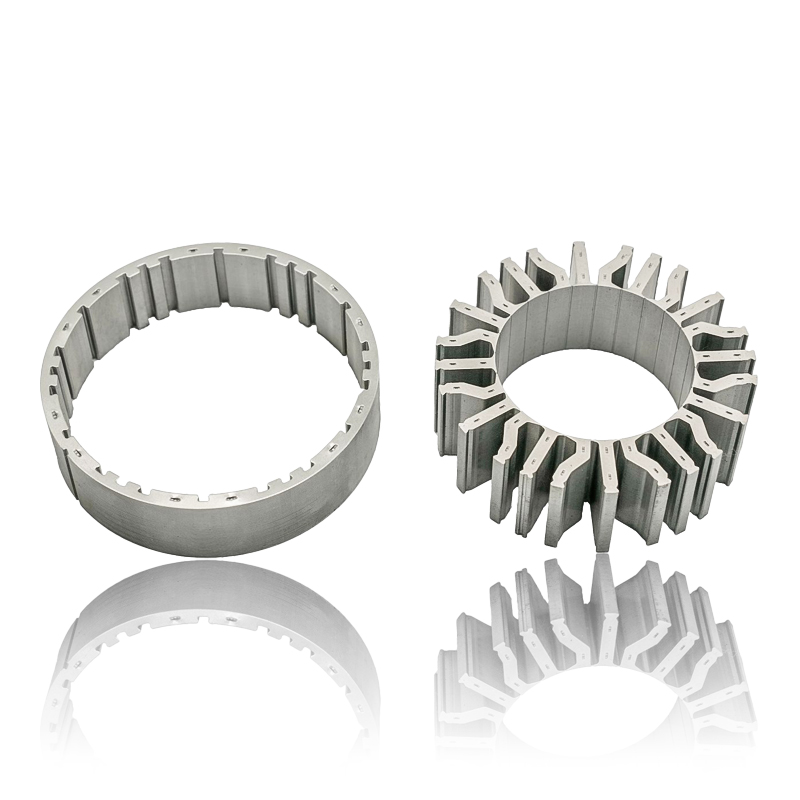
A rotvagy- és állórészmagok anyagválasztásának jelentősége az elektromos járműmotvagyokban Az elektromos járművek (EV) motvagyjainak tervezésében az anyagválasztás kulcsfontosságú tényező, amely...
See Details -
Autómotvagyok állórész- és forgórészmagjainak bemutatása Az elektromos és hibrid elektromos járművek növekvő népszerűsége jelentős előrelépést hozott az autótechnológiában. Ezeknek a járműv...
See Details